
Insight
27th October 2026
No, not for research that has to stand up to scrutiny. AI can now do much of the desk work in a research project quickly and well, but it cannot recruit real people, run a good focus group, judge whether a sample represents anyone, or take responsibility for the conclusions. The useful question is which parts of a project AI should do, and who checks them.

The question now comes up in most conversations about research budgets. AI tools can draft a questionnaire in seconds, summarise a pile of reports and produce answers from simulated “synthetic respondents”. It is fair to ask what an agency still adds.
We use AI ourselves, so this is not an argument against it. Here is where it helps, where it falls short, and what to ask any agency that says it uses it.
Mostly the work that comes before and after the fieldwork:
These are the places we use it too. Our AI Validation Loop applies different AI tools at selected stages of a project, including desk research, and AI helps us stress-test surveys before they go live. In both cases it is a tool our researchers use, not a replacement for them.
The parts that depend on real people, and on someone being accountable for the answer:
Not on their own. Synthetic respondents are AI-generated answers that imitate the views of a type of person. They are quick and cheap, which makes them useful for narrowing down ideas early. But they reproduce patterns from existing data, so they are least dependable exactly where research matters most: new products, changing attitudes and audiences that are poorly represented in that data.
ESOMAR’s guidance for buyers of AI-based research asks suppliers what validation they have done to compare synthetic data with primary research or real-world results, and how they keep data from real people separate from data generated by AI. If a supplier cannot answer clearly, treat the results as a hypothesis to test, not a finding.
ESOMAR, the global association for research and insights, published 20 questions to help buyers of AI-based research services in March 2024. Five of them are worth asking any agency:
Turquoise is a member of both ESOMAR and the Market Research Society, and we are happy to answer all five for any project.
Use AI on its own for background reading and early thinking, where a wrong answer costs little. Bring in an agency when the decision is expensive, public or hard to reverse: a launch, a price change, a rebrand, a regulatory submission or a strategy the board will be held to. That is when you need fresh evidence from real people, a method you can defend, and someone who stands behind the answer.
If you are weighing up which parts of a project could be done with AI and which need real fieldwork, we would be glad to talk it through. Email curious@thinkturquoise.com or call 01271 337 100.
Not for research that has to stand up to scrutiny. AI can speed up desk research, questionnaire drafting and the coding of open answers, but it cannot recruit real people, judge whether a sample is representative, moderate a focus group or take responsibility for the conclusions.
Anything that needs fresh evidence from real people: recruiting a representative sample, moderating focus groups and depth interviews, observing what people actually do, and judging what the findings mean for a specific decision.
They are useful for screening ideas early but should not be treated as findings on their own. They imitate patterns in existing data, so they are least dependable for new products, changing attitudes and groups that are poorly represented in that data. ESOMAR advises buyers to ask how synthetic results have been validated against real research.
Yes, at selected stages of a project. Our AI Validation Loop applies different AI tools to refine the research method and widen desk research, and AI helps us stress-test surveys before they go live. Interviews, focus groups and the interpretation of results are carried out by our own researchers and moderators.
Market research journal

Satisfaction fell again under Ofwat’s new method. What decides a score, and what to do with yours.
What AI does well in research, what it cannot do, and what to ask an agency that uses it.

What NSS 2026 showed, and how research helps universities act on it and test campaigns before launch.

From January 2026, charity reporting has to show the difference made, not just the activity delivered.

Market research doesn’t stand still, and neither do the people taking part in it.

We all know the story when February rolls around, everywhere you look there are love heart garlands, stuffed animals, chocolates lining the aisles, and cards designed…

The size and shape of the UK mental health workforce has long been difficult to define.
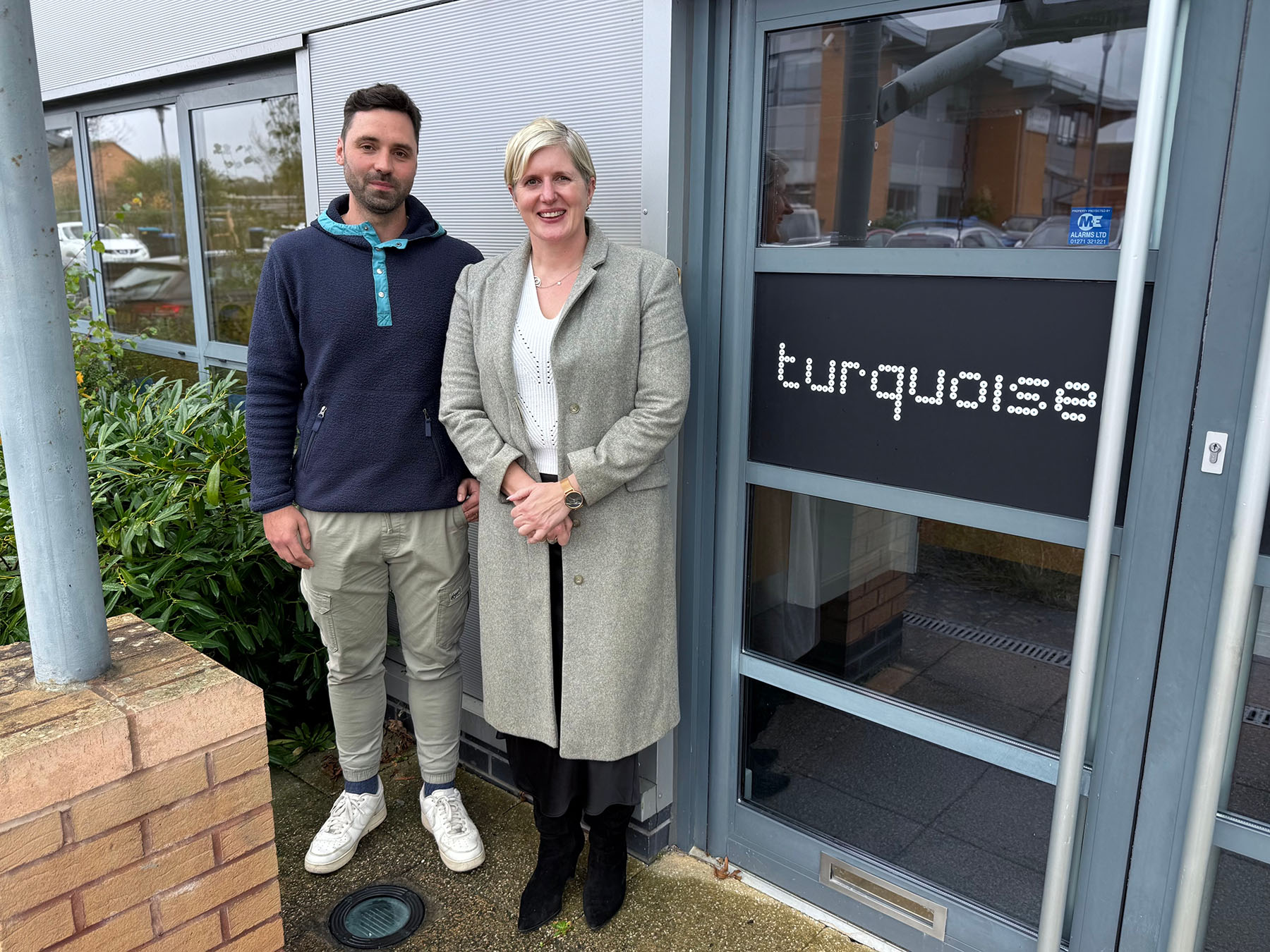
With much celebration we announce the promotion of two of our colleagues, Laura Scott, and Frank Paxton to the role of Associate Director.

The University of East London brought home the Silver Award for The Best Use of Data, Insight or Marketing Research at the 2024 HEIST Awards using data and insights…

The new normal highlights increasing inequality, with more opting for private healthcare.

Market research shows UK utilities have record-low customer satisfaction and rank least friendly.

The higher education sector has faced rapid changes, including hybrid learning and global competition.

Born mid-1990s to early 2010s, Gen Z is reshaping consumer trends and workforces.

Changes in the way we generate energy have recently come into sharp focus.

The cost-of-living crisis hinders UK households' ability to afford essentials, donations.

Turquoise won the Landscape Institute award for climate change research with National Trust.
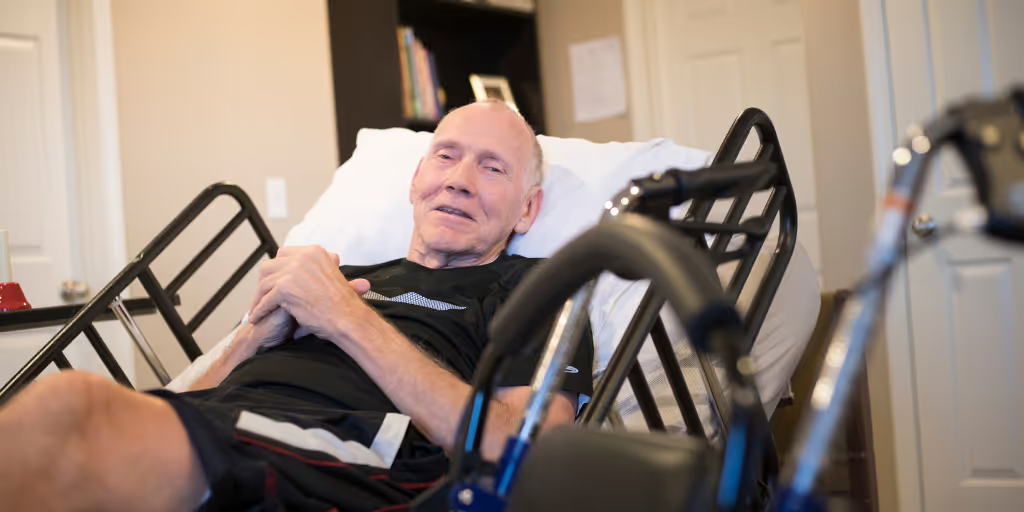
The Death Literacy Index (DLI) is used to determine levels of death literacy at a community or national level, and to evaluate the outcome of public health interventions.

Product success depends on thorough market research, especially in international markets.

Colour is crucial in branding design, requiring alignment with business strategy.

2020-2021 disrupted education, with 2022 bringing new but equally daunting challenges.

Charities face ongoing struggles post-2020, unlike other sectors recovering from disruptions.

The UK's 2050 net-zero pledge requires major policy changes and lifestyle shifts.

The UK water industry faces ongoing challenges with scarcity, demand, and aging infrastructure.

We make thousands of daily decisions, ranging from trivial choices to life-changing ones.

The oil and gas sector faces major transformation, with geopolitical events driving price hikes.

A holistic sustainability approach outperforms piecemeal efforts, despite conflicting priorities.

Higher education is evolving, with increasing global enrolment in various learning formats.

Ongoing market research is crucial for achieving business growth, new markets, and success.

Entrepreneurship is booming, but poor planning causes one-third of businesses to fail.
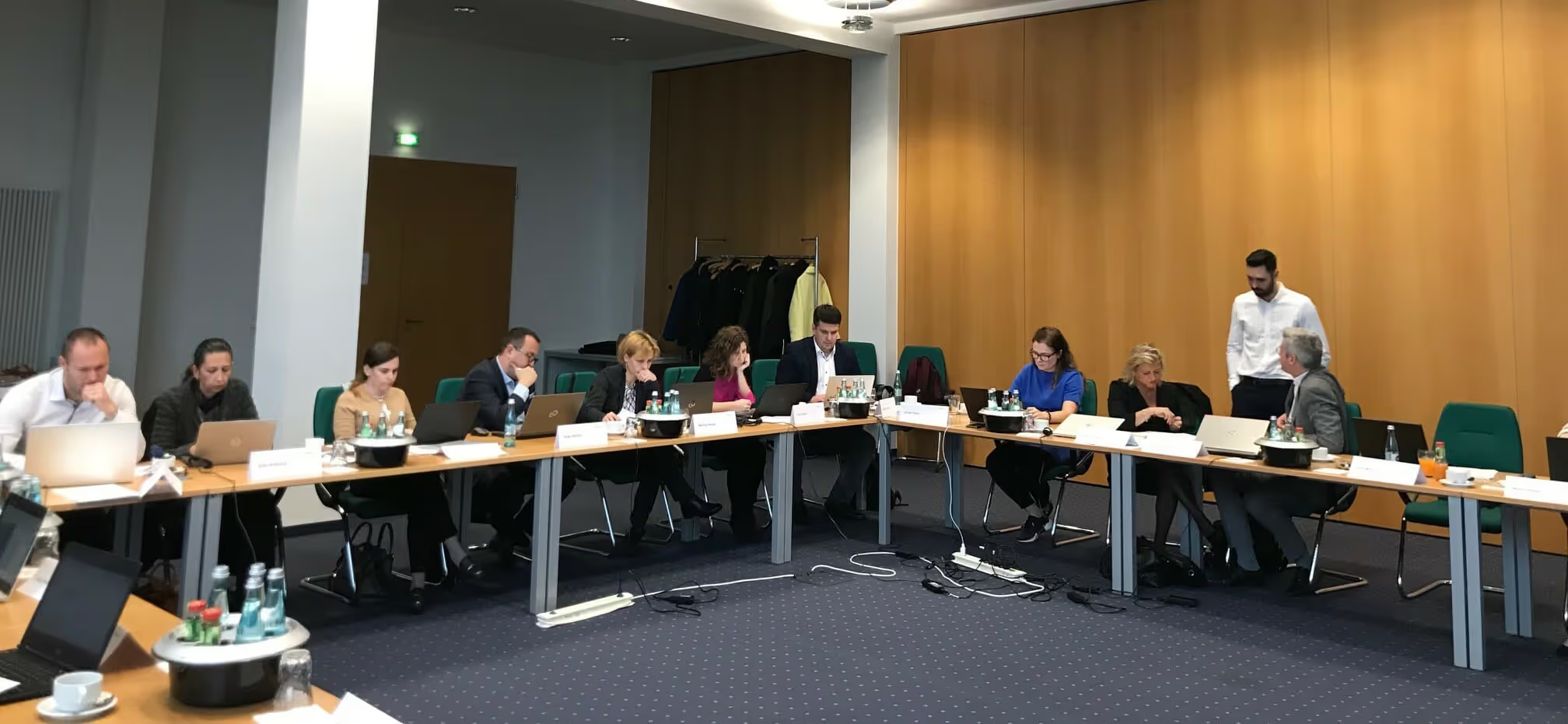
Turquoise was asked by a leading pharmaceutical trader, Phoenix Group to provide segmentation training and expertise to representatives from 27 European markets at…

Having worked alongside the National Trust on a number of projects over the years, Turquoise is proud to announce it has been added to the organisation’s national…

Turquoise is delighted to announce that it has entered into an eight-year Partnership Agreement with EDF Energy to manage its ongoing employee engagement programme.

Market research is available as a service to help any company, service provider, individual or organisation make better, more informed decisions.
From January 2026, charity reporting has to show the difference made, not just the activity delivered.
The cost-of-living crisis hinders UK households' ability to afford essentials, donations.
Charities face ongoing struggles post-2020, unlike other sectors recovering from disruptions.
The size and shape of the UK mental health workforce has long been difficult to define.
With much celebration we announce the promotion of two of our colleagues, Laura Scott, and Frank Paxton to the role of Associate Director.
The University of East London brought home the Silver Award for The Best Use of Data, Insight or Marketing Research at the 2024 HEIST Awards using data and insights…
Turquoise won the Landscape Institute award for climate change research with National Trust.
The Death Literacy Index (DLI) is used to determine levels of death literacy at a community or national level, and to evaluate the outcome of public health interventions.
Turquoise was asked by a leading pharmaceutical trader, Phoenix Group to provide segmentation training and expertise to representatives from 27 European markets at…
Having worked alongside the National Trust on a number of projects over the years, Turquoise is proud to announce it has been added to the organisation’s national…
Turquoise is delighted to announce that it has entered into an eight-year Partnership Agreement with EDF Energy to manage its ongoing employee engagement programme.
What NSS 2026 showed, and how research helps universities act on it and test campaigns before launch.
The higher education sector has faced rapid changes, including hybrid learning and global competition.
2020-2021 disrupted education, with 2022 bringing new but equally daunting challenges.
Higher education is evolving, with increasing global enrolment in various learning formats.
What AI does well in research, what it cannot do, and what to ask an agency that uses it.
Market research doesn’t stand still, and neither do the people taking part in it.
We all know the story when February rolls around, everywhere you look there are love heart garlands, stuffed animals, chocolates lining the aisles, and cards designed…
Born mid-1990s to early 2010s, Gen Z is reshaping consumer trends and workforces.
Product success depends on thorough market research, especially in international markets.
Colour is crucial in branding design, requiring alignment with business strategy.
We make thousands of daily decisions, ranging from trivial choices to life-changing ones.
Ongoing market research is crucial for achieving business growth, new markets, and success.
Entrepreneurship is booming, but poor planning causes one-third of businesses to fail.
Market research is available as a service to help any company, service provider, individual or organisation make better, more informed decisions.
Satisfaction fell again under Ofwat’s new method. What decides a score, and what to do with yours.
Market research shows UK utilities have record-low customer satisfaction and rank least friendly.
Changes in the way we generate energy have recently come into sharp focus.
The UK's 2050 net-zero pledge requires major policy changes and lifestyle shifts.
The UK water industry faces ongoing challenges with scarcity, demand, and aging infrastructure.
The oil and gas sector faces major transformation, with geopolitical events driving price hikes.
At Turquoise, our team of expert market research analysts are on-hand to conduct the fieldwork, interpret raw data, gain meaningful insights and provide actionable guidance to help your business thrive. Get in touch today and let's talk.