Insight
15th October 2026
A university improves its National Student Survey results by finding out what final-year students think early in the academic year, acting on it, and showing them what changed. It can predict whether a recruitment campaign will work by testing it with the people it needs to persuade before the budget is committed.

Both rely on the same habit: asking the right people the right questions while there is still time to act. The NSS runs from January to April and is aimed mainly at final-year undergraduates, so by the time it opens, most of the experience it measures has already happened. A campaign is no different. Once the media is booked and the creative signed off, there is little left to change.
The stakes are rising on both fronts. In its financial sustainability report of May 2026, the Office for Students judged that the recovery universities are forecasting still rests on overly optimistic assumptions about student recruitment. NSS results do not stay inside the university either: course-level results are published on Discover Uni, where applicants compare courses before they choose.
Here is how we approach both, drawing on our work for universities and other education providers.
More than 360,000 final-year students took part in the 2026 survey, a response rate of 71.8 per cent, and the Office for Students published the results on 8 July. A higher share of students answered positively on every theme than in 2025.
As in earlier years, disabled students were less positive than other students on every theme, with the widest gaps on organisation and management and on student voice (OfS summary of the 2026 results).
Put simply, students are broadly happy with their teaching and least sure that anyone acts on what they say. That gap is where research earns its keep.
Start with current students in the autumn term, not in January. Research early in the academic year shows which parts of the course final-year students are unhappy with while there is still time to put them right, and a short second wave can show whether the changes have been noticed.
In practice that means:
One rule matters throughout: keep your own research separate from the NSS itself. The OfS guidance on inappropriate influence does not allow universities to combine the NSS with other surveys, to suggest how students should answer, or to link the survey to league tables. Research that improves the experience is fair game; anything that steers the answers is not.
Test it before it runs, with the audiences it has to persuade. A good pre-test measures how each concept changes what people think of the university and whether they would consider it, then shows which parts of the advert are doing the work.
For Swansea University we evaluated the current recruitment campaign alongside four new advertising concepts. Six focus groups were followed by 580 online interviews with students, parents and influencers, covering the university’s brand image, familiarity, likelihood to consider and the motivations and barriers behind it. We then took each campaign apart, from the headline and imagery to the messaging, styling and colours, which gave the university clear direction on the creative route to take forward.
Three things separate a pre-test that informs a decision from one that only confirms it:
By measuring what your market thinks over time, and asking applicants why they said yes or no.
The University of East London runs an annual brand tracker with us. One sample covers current students, applicants, alumni and partners; a second covers people considering London universities, local businesses and local residents with no link to the university. Because the research repeats each year, UEL can see how new messaging and branding are received. The University of East London won Silver for the Best Use of Data, Insight or Marketing Research at the 2024 HEIST Awards, using insight from the tracker.
For the University of Kent we began with depth interviews with key stakeholders, then surveyed applicants who accepted their offer and applicants who declined it, covering communications, the website and the campus experience. The findings showed where Kent was strong and where its competitive positioning and application journey could improve, and led to recommendations to increase applications and conversions.
Plan backwards from the decision it has to inform. Research with current students works best in the autumn term, before the NSS opens in January. Campaign testing has to finish before creative work and media are committed. Research with applicants who accepted or declined an offer is best run once those decisions are made, so that the findings shape the next recruitment cycle.
If your NSS results or your recruitment numbers are not where you want them, we would be glad to talk it through. Email curious@thinkturquoise.com or call 01271 337 100.
The NSS runs from January to April each year and is aimed mainly at final-year undergraduates. The 2026 survey opened on 7 January and closed on 30 April, and the results were published on 8 July 2026.
Yes, as long as the two are kept separate. The Office for Students does not allow universities to combine the NSS with other surveys or to advise students how to answer it. Research run earlier in the academic year avoids any overlap.
By telling them specifically what changed because students raised it. The Office for Students allows universities to give examples of improvements made in response to earlier NSS feedback, and your own research can check whether students have noticed.
The people the campaign has to persuade and the people who influence them. For Swansea University we tested an existing campaign and four new concepts with students, parents and influencers, through six focus groups followed by 580 online interviews.
It depends mostly on the audiences and the scale. A few focus groups cost a fraction of a tracker that covers several audiences every year. We quote for each brief, and a project can start small and grow once the first findings are in.
Market research journal

Satisfaction fell again under Ofwat’s new method. What decides a score, and what to do with yours.
What AI does well in research, what it cannot do, and what to ask an agency that uses it.
What NSS 2026 showed, and how research helps universities act on it and test campaigns before launch.

From January 2026, charity reporting has to show the difference made, not just the activity delivered.

Market research doesn’t stand still, and neither do the people taking part in it.

We all know the story when February rolls around, everywhere you look there are love heart garlands, stuffed animals, chocolates lining the aisles, and cards designed…

The size and shape of the UK mental health workforce has long been difficult to define.
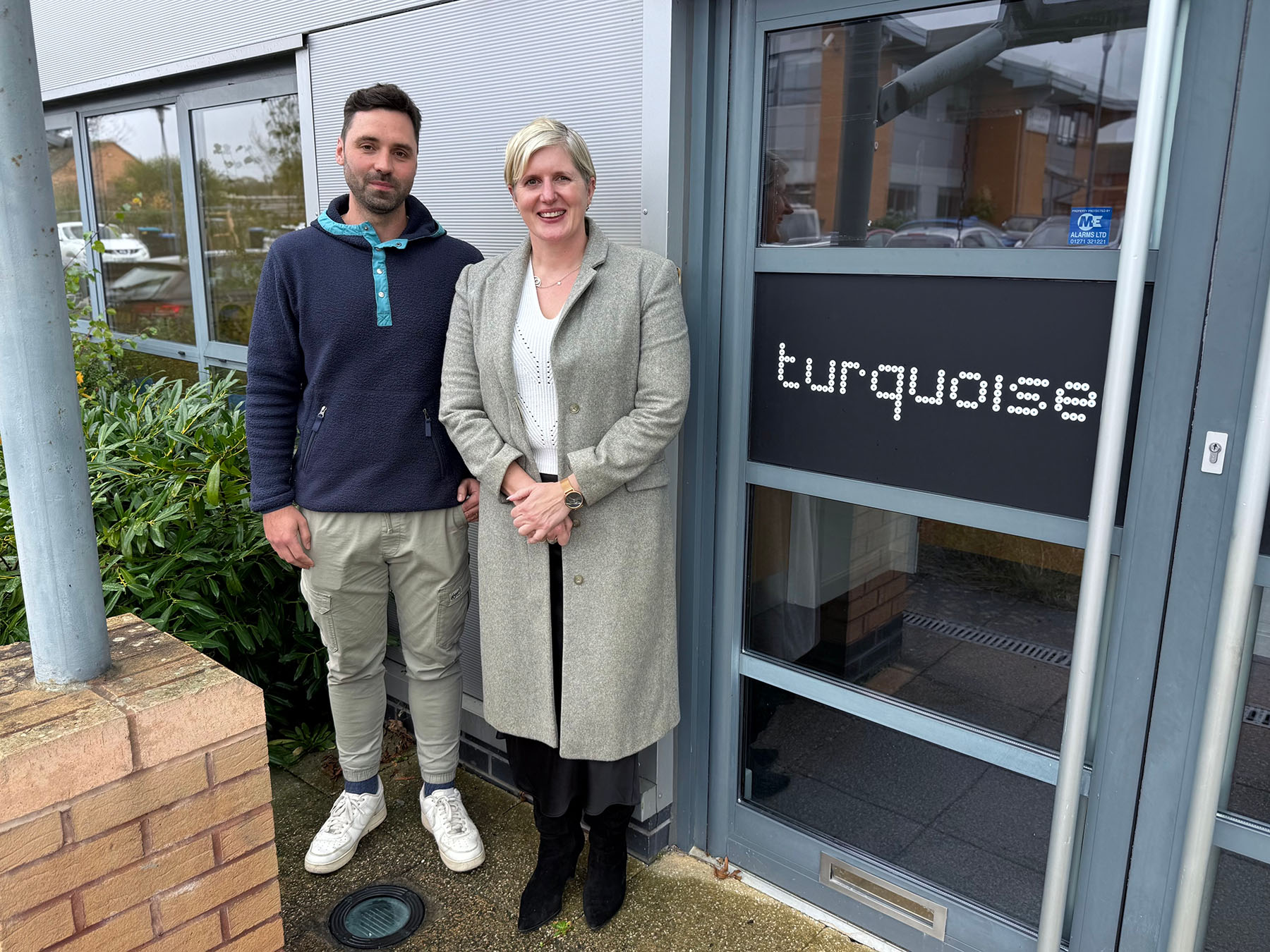
With much celebration we announce the promotion of two of our colleagues, Laura Scott, and Frank Paxton to the role of Associate Director.

The University of East London brought home the Silver Award for The Best Use of Data, Insight or Marketing Research at the 2024 HEIST Awards using data and insights…

The new normal highlights increasing inequality, with more opting for private healthcare.

Market research shows UK utilities have record-low customer satisfaction and rank least friendly.

The higher education sector has faced rapid changes, including hybrid learning and global competition.

Born mid-1990s to early 2010s, Gen Z is reshaping consumer trends and workforces.

Changes in the way we generate energy have recently come into sharp focus.

The cost-of-living crisis hinders UK households' ability to afford essentials, donations.
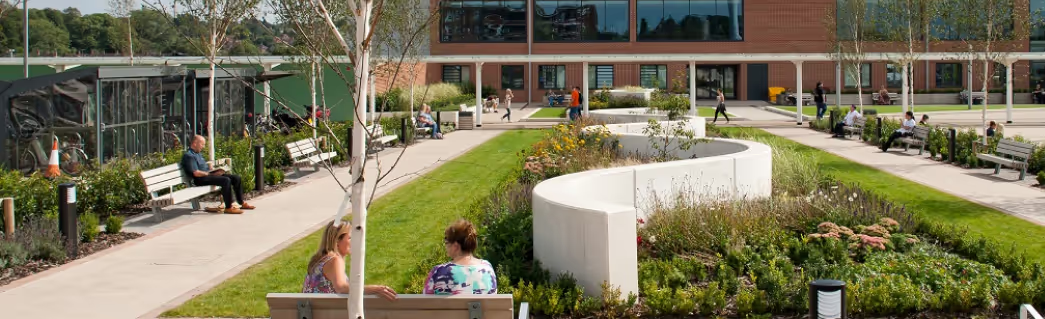
Turquoise won the Landscape Institute award for climate change research with National Trust.
The Death Literacy Index (DLI) is used to determine levels of death literacy at a community or national level, and to evaluate the outcome of public health interventions.

Product success depends on thorough market research, especially in international markets.
Colour is crucial in branding design, requiring alignment with business strategy.
2020-2021 disrupted education, with 2022 bringing new but equally daunting challenges.

Charities face ongoing struggles post-2020, unlike other sectors recovering from disruptions.

The UK's 2050 net-zero pledge requires major policy changes and lifestyle shifts.

The UK water industry faces ongoing challenges with scarcity, demand, and aging infrastructure.

We make thousands of daily decisions, ranging from trivial choices to life-changing ones.

The oil and gas sector faces major transformation, with geopolitical events driving price hikes.

A holistic sustainability approach outperforms piecemeal efforts, despite conflicting priorities.

Higher education is evolving, with increasing global enrolment in various learning formats.
Ongoing market research is crucial for achieving business growth, new markets, and success.

Entrepreneurship is booming, but poor planning causes one-third of businesses to fail.
Turquoise was asked by a leading pharmaceutical trader, Phoenix Group to provide segmentation training and expertise to representatives from 27 European markets at…

Having worked alongside the National Trust on a number of projects over the years, Turquoise is proud to announce it has been added to the organisation’s national…

Turquoise is delighted to announce that it has entered into an eight-year Partnership Agreement with EDF Energy to manage its ongoing employee engagement programme.

Market research is available as a service to help any company, service provider, individual or organisation make better, more informed decisions.
From January 2026, charity reporting has to show the difference made, not just the activity delivered.
The cost-of-living crisis hinders UK households' ability to afford essentials, donations.
Charities face ongoing struggles post-2020, unlike other sectors recovering from disruptions.
The size and shape of the UK mental health workforce has long been difficult to define.
With much celebration we announce the promotion of two of our colleagues, Laura Scott, and Frank Paxton to the role of Associate Director.
The University of East London brought home the Silver Award for The Best Use of Data, Insight or Marketing Research at the 2024 HEIST Awards using data and insights…
Turquoise won the Landscape Institute award for climate change research with National Trust.
The Death Literacy Index (DLI) is used to determine levels of death literacy at a community or national level, and to evaluate the outcome of public health interventions.
Turquoise was asked by a leading pharmaceutical trader, Phoenix Group to provide segmentation training and expertise to representatives from 27 European markets at…
Having worked alongside the National Trust on a number of projects over the years, Turquoise is proud to announce it has been added to the organisation’s national…
Turquoise is delighted to announce that it has entered into an eight-year Partnership Agreement with EDF Energy to manage its ongoing employee engagement programme.
What NSS 2026 showed, and how research helps universities act on it and test campaigns before launch.
The higher education sector has faced rapid changes, including hybrid learning and global competition.
2020-2021 disrupted education, with 2022 bringing new but equally daunting challenges.
Higher education is evolving, with increasing global enrolment in various learning formats.
What AI does well in research, what it cannot do, and what to ask an agency that uses it.
Market research doesn’t stand still, and neither do the people taking part in it.
We all know the story when February rolls around, everywhere you look there are love heart garlands, stuffed animals, chocolates lining the aisles, and cards designed…
Born mid-1990s to early 2010s, Gen Z is reshaping consumer trends and workforces.
Product success depends on thorough market research, especially in international markets.
Colour is crucial in branding design, requiring alignment with business strategy.
We make thousands of daily decisions, ranging from trivial choices to life-changing ones.
Ongoing market research is crucial for achieving business growth, new markets, and success.
Entrepreneurship is booming, but poor planning causes one-third of businesses to fail.
Market research is available as a service to help any company, service provider, individual or organisation make better, more informed decisions.
Satisfaction fell again under Ofwat’s new method. What decides a score, and what to do with yours.
Market research shows UK utilities have record-low customer satisfaction and rank least friendly.
Changes in the way we generate energy have recently come into sharp focus.
The UK's 2050 net-zero pledge requires major policy changes and lifestyle shifts.
The UK water industry faces ongoing challenges with scarcity, demand, and aging infrastructure.
The oil and gas sector faces major transformation, with geopolitical events driving price hikes.
At Turquoise, our team of expert market research analysts are on-hand to conduct the fieldwork, interpret raw data, gain meaningful insights and provide actionable guidance to help your business thrive. Get in touch today and let's talk.