Face-to-face and on-street fieldwork across the UK

Turquoise Thinking carries out face-to-face market research across the UK: on-street interviews, house-to-house (door-to-door) interviews, store and site exit interviews, and interviews on university campuses. Our interviewers work in teams around the country, including a Scottish fieldwork team, and our researchers design the questionnaire and analyse the results.

Our entry in the Market Research Society’s Research Buyers Guide lists 300 field interviewers and 13 field managers or supervisors, and our interviewer network keeps IQCS training current.

We have run face-to-face fieldwork for Scottish Water, the Highland Council, Middlesex University, the National Trust, East Anglian Air Ambulance, Independent Age and St Catherine’s Hospice. With offices in London, Birmingham, Edinburgh and Barnstaple, we can interview in a single town or across the country, and combine face-to-face work with a telephone or online survey.

Inverness

What face-to-face fieldwork have we run?

On-street and house-to-house interviews in Inverness

For two Highland Council projects we sent our Scottish fieldwork team to interview commuters on the street and to visit people house-to-house in Inverness, in the daytime and evenings, on weekdays and at weekends: one in a city-centre street, one on a road where a 20mph limit had been introduced. The council gained a clearer picture of why people used the street, how they travelled and how long they stayed, to inform its Spaces for People project.

Capital works research for Scottish Water

We have run several studies of Scottish Water’s capital works, before, during or after the work, depending on the project. Each combines on-street and house-to-house interviews in the area affected with depth interviews, to show how the works affect customers and which ways of communicating with them work best.

Students on campus and on the street for Middlesex University

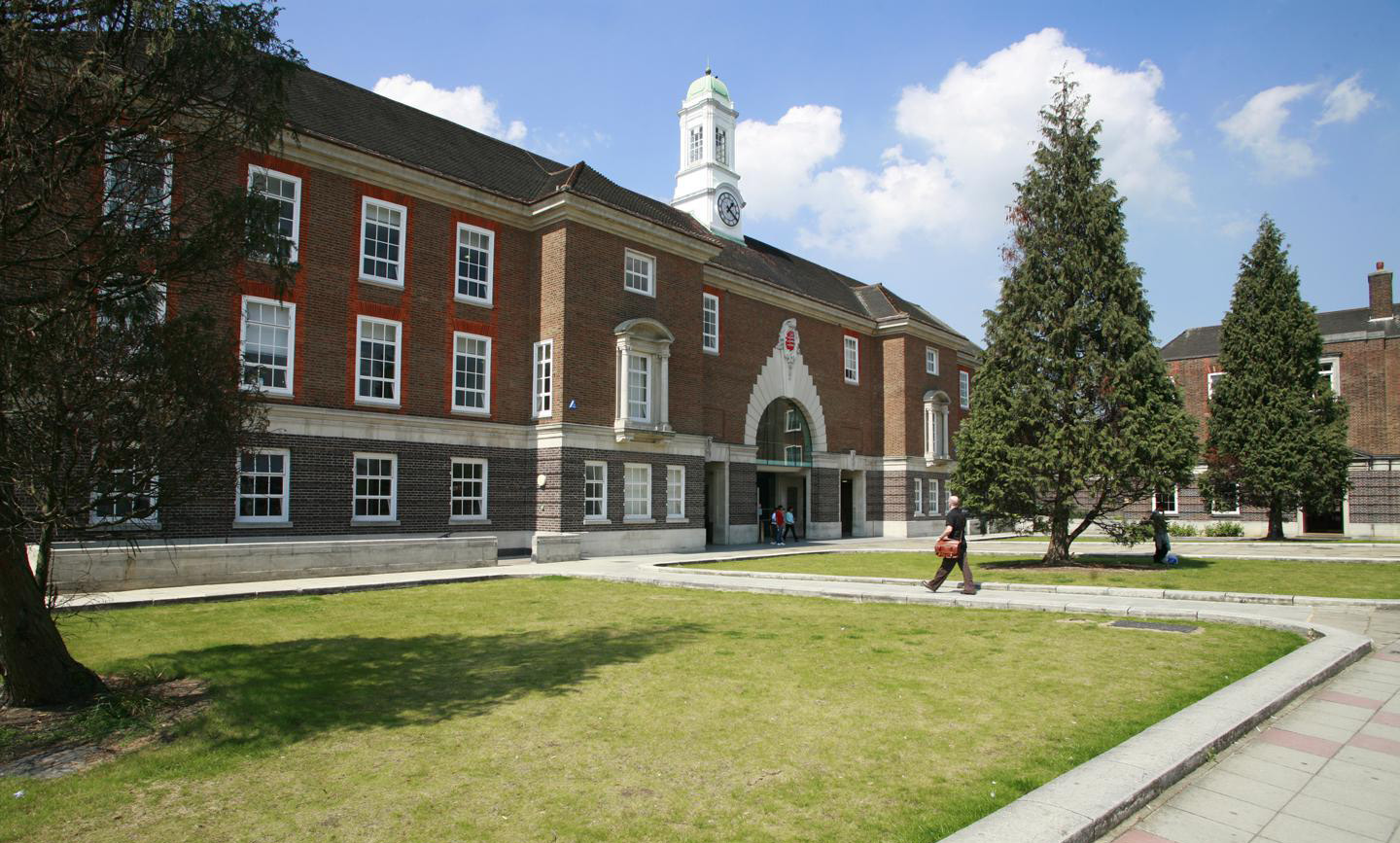
To build Middlesex University’s student segmentation, we carried out 500 face-to-face interviews with students across its campuses and 500 on-street interviews with potential students, alongside 100 self-completion questionnaires in key European countries. The university used the segments to target its marketing messages.

Exit interviews for the National Trust at Killerton

While Killerton, near Exeter, had essential roof repairs from February to October 2017, we interviewed visitors as they left, alongside iPad surveys in the shop and analysis of comment cards and 40,000 TripAdvisor comments, to measure the effect on their visit.

Awareness research for East Anglian Air Ambulance

We combined on-street interviews with online panels and email surveys across every area where East Anglian Air Ambulance flies, in and out of its area, to reach a representative sample of the public and its supporters. The charity used the findings to shape its marketing communications.

On the street and in the shops for St Catherine’s Hospice

After a rebrand, St Catherine’s Hospice wanted to know how much its charity shops raise awareness. Following telephone depth interviews with supporters, we ran the survey online, on the street and, in a shorter form, in the charity’s shops. Awareness and support were highest among older people, and most shops did more for awareness than for funds.

Our work, your success

Organisations we have run face-to-face fieldwork for

East Anglian Air Ambulance logoMiddlesex University logoNational Trust logo

What should you ask a face-to-face fieldwork agency?

Ask who will do the interviewing, how the interviewers are trained and briefed, and how their work is checked. Ask too whether the agency has interviewers where you need them or will have to send people in from elsewhere. For the Highland Council we used our own Scottish fieldwork team in Inverness.

Plan the times and places with care. On-street interviews only reach people who are out and about, so the fieldwork should cover different days, evenings and weekends, as ours in Inverness did. When a group is missing from the street, add another method: house-to-house interviews for people at home, or a telephone or online survey for others.

Face-to-face interviews cost more per interview than online ones, so they earn their place when the people you need are not on an online panel, when you need people in a particular place, or when you want to catch them at the moment of the experience, as exit interviews do.

More of this work is on our pages for local councils, charities and water.

FAQs

What is on-street interviewing?

Interviewers stop people in a chosen place, such as a high street, a town centre or close to a site, and ask them a short questionnaire there and then. It reaches people as they go about their day, including people who rarely take part in online surveys.

What is the difference between on-street and house-to-house interviews?

On-street interviews catch people where they are; house-to-house interviews visit people at home, which suits longer questionnaires and people who are not often out in a particular place. For Scottish Water we use both within the area where capital works are planned.

Where in the UK can you carry out fieldwork?

Across the UK. Our interviewers work in teams around the country, including a Scottish fieldwork team, and we have offices in London, Birmingham, Edinburgh and Barnstaple. Our fieldwork has run from Inverness to the National Trust’s Killerton estate in Devon.

Do you carry out exit interviews?

Yes. We interview people as they leave a site or a shop. At the National Trust’s Killerton estate we interviewed visitors as they left during the 2017 roof repairs, and recommended one simple question Killerton could ask visitors to tell its different visitor groups apart.

How are your interviewers trained?

Our interviewer network keeps IQCS training current, and our field managers and supervisors oversee the fieldwork. Our entry in the MRS Research Buyers Guide lists 300 field interviewers and 13 field managers or supervisors.

Can face-to-face interviews be combined with other methods?

Often they should be. For East Anglian Air Ambulance we combined on-street interviews with online panels and email surveys, and for Independent Age 400 of the 4,400 responses came from house-to-house and telephone interviews, so that older people and those less likely to be online were included.

How much does face-to-face fieldwork cost?

It depends on how many interviews you need, how long each one is, where they take place and how specific the people are. Interviews in one town cost less than interviews spread across the country. We quote for each brief.