
Insight
22nd March 2022
The UK’s government’s pledge to achieve net zero emissions by 2050 is monumental. Achieving it would be the best possible legacy to leave for future generations. Yet it is going to require seismic shifts in policy and habits at every stage from production to consumption.

When we take our periodic look at changing trends in the sector, it will be against the backdrop of the transition to net zero. That has to start right now, and it will be the overarching factor till 2050 – or however long it takes.
If 2050 is a little too long-term to conceptualise, the Prime Minister recently announced a major component of the transition, which is for the electricity grid to go zero carbon by 2035. That’s only 13 years away. If you think that still sounds distant, bear in mind that 13 years have passed since 2009, the year Barack Obama was inaugurated as US President and Captain Sully made his heroic landing on the Hudson. It seems like yesterday.
The challenge comes into full focus when you note that last year, we used about 330 TWh of electricity and 40 percent of that came from fossil fuels. Renewables produced 43 percent, with the rest coming from nuclear and imports. The fact that more electricity came from renewables than from fossil fuels is a laudible achievement that should be celebrated. However, it is a little like passing an early mile marker when running a marathon. There are far bigger challenges ahead.
Overall consumption is predicted to increase to 460 TWh per year by 2035. There is no single solution to meeting this increasing demand while eliminating one of the primary sources of supply. However, clearly it is going to be necessary to significantly ramp up the amount of electricity generated by renewables from the 142 TWh generated in 2021.
Energy advisory researchers have crunched the numbers and in short, we need to quadruple offshore wind capacity, double onshore and double solar. It’s a massive undertaking from a cost and infrastructure perspective and it has to start straight away.
One of the biggest problems is that power generation by wind and solar depends on the weather. At present, when conditions are favourable, there’s more than enough to go around, but when conditions are sub-optimal, fossil fuels (usually gas) pick up the slack.
Clearly, having an effective way to store up the energy that’s produced on sunny, windy days to use when the weather changes would make an enormous difference. A number of options are being explored right now, including hydrogen storage and even using electric vehicles as temporary storage batteries while they are not in use.
Nuclear is never far from the agenda. Right now, it supplies a little over 20 percent of UK demand. However, more than half the country’s nuclear reactors will go offline by the end of 2024. New facilities take years, require massive investment and are politically controversial.
However, a clear path needs to be agreed and the difficult conversations must be had. New technology in the field of small modular reactors could make nuclear power a vital contributor in meeting our ambitious plans for net zero power generation.
Market research journal

Satisfaction fell again under Ofwat’s new method. What decides a score, and what to do with yours.

What AI does well in research, what it cannot do, and what to ask an agency that uses it.

What NSS 2026 showed, and how research helps universities act on it and test campaigns before launch.

From January 2026, charity reporting has to show the difference made, not just the activity delivered.

Market research doesn’t stand still, and neither do the people taking part in it.

We all know the story when February rolls around, everywhere you look there are love heart garlands, stuffed animals, chocolates lining the aisles, and cards designed…

The size and shape of the UK mental health workforce has long been difficult to define.
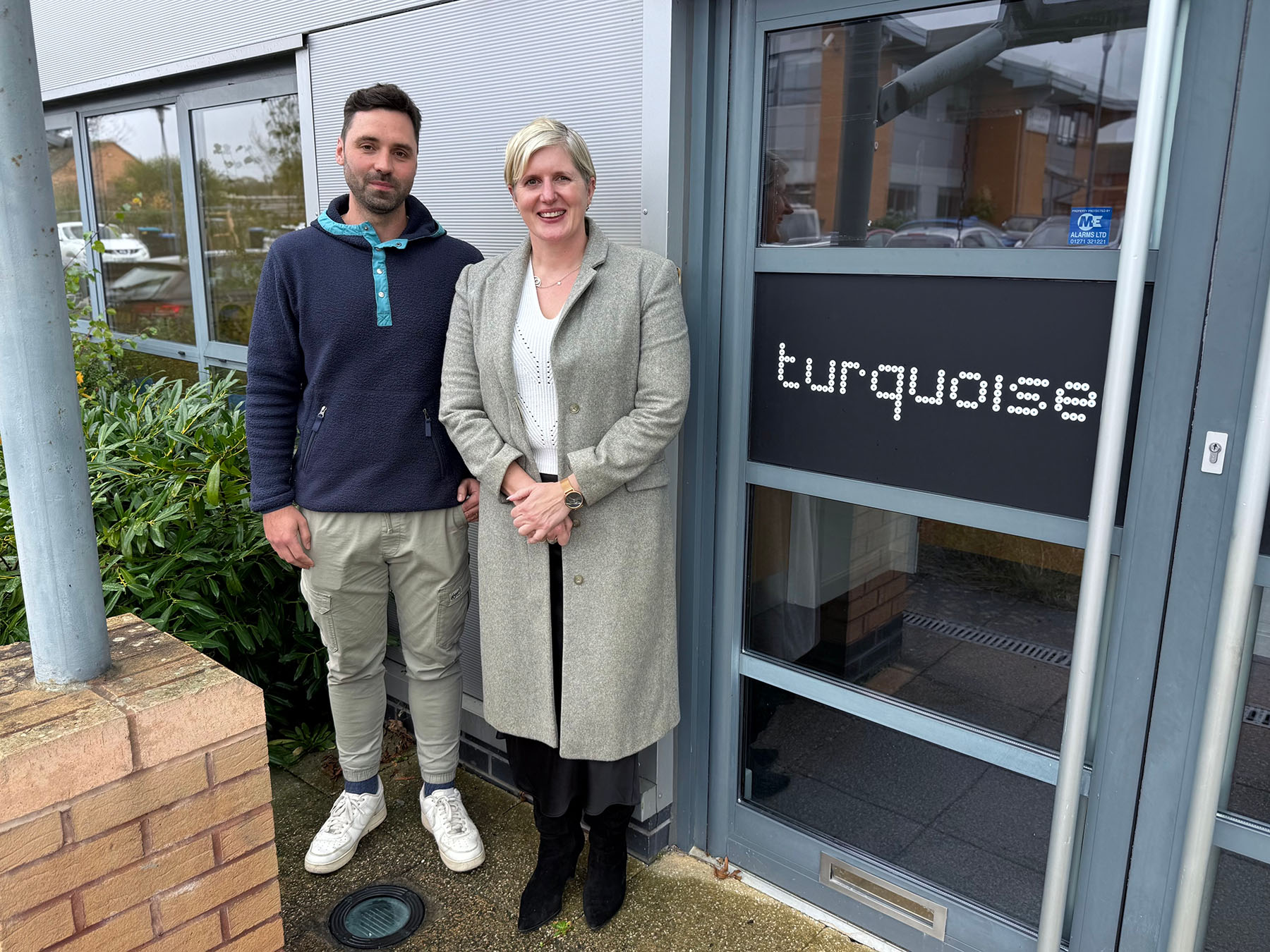
With much celebration we announce the promotion of two of our colleagues, Laura Scott, and Frank Paxton to the role of Associate Director.

The University of East London brought home the Silver Award for The Best Use of Data, Insight or Marketing Research at the 2024 HEIST Awards using data and insights…

The new normal highlights increasing inequality, with more opting for private healthcare.

Market research shows UK utilities have record-low customer satisfaction and rank least friendly.

The higher education sector has faced rapid changes, including hybrid learning and global competition.

Born mid-1990s to early 2010s, Gen Z is reshaping consumer trends and workforces.

Changes in the way we generate energy have recently come into sharp focus.

The cost-of-living crisis hinders UK households' ability to afford essentials, donations.

Turquoise won the Landscape Institute award for climate change research with National Trust.
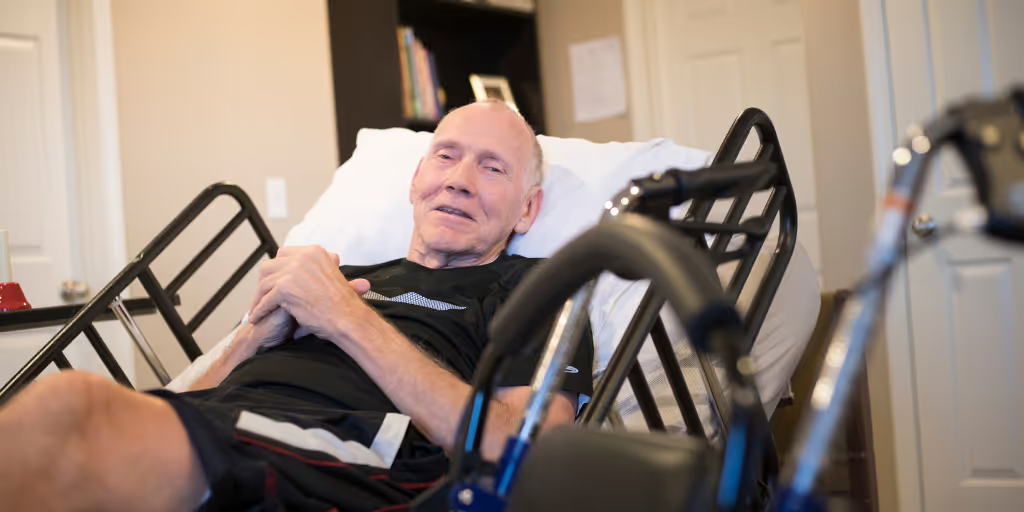
The Death Literacy Index (DLI) is used to determine levels of death literacy at a community or national level, and to evaluate the outcome of public health interventions.

Product success depends on thorough market research, especially in international markets.

Colour is crucial in branding design, requiring alignment with business strategy.

2020-2021 disrupted education, with 2022 bringing new but equally daunting challenges.

Charities face ongoing struggles post-2020, unlike other sectors recovering from disruptions.
The UK's 2050 net-zero pledge requires major policy changes and lifestyle shifts.
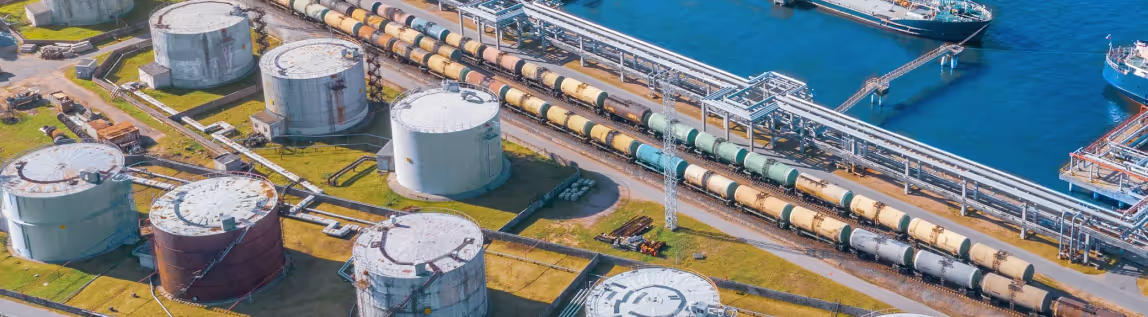
The UK water industry faces ongoing challenges with scarcity, demand, and aging infrastructure.

We make thousands of daily decisions, ranging from trivial choices to life-changing ones.

The oil and gas sector faces major transformation, with geopolitical events driving price hikes.

A holistic sustainability approach outperforms piecemeal efforts, despite conflicting priorities.

Higher education is evolving, with increasing global enrolment in various learning formats.

Ongoing market research is crucial for achieving business growth, new markets, and success.

Entrepreneurship is booming, but poor planning causes one-third of businesses to fail.
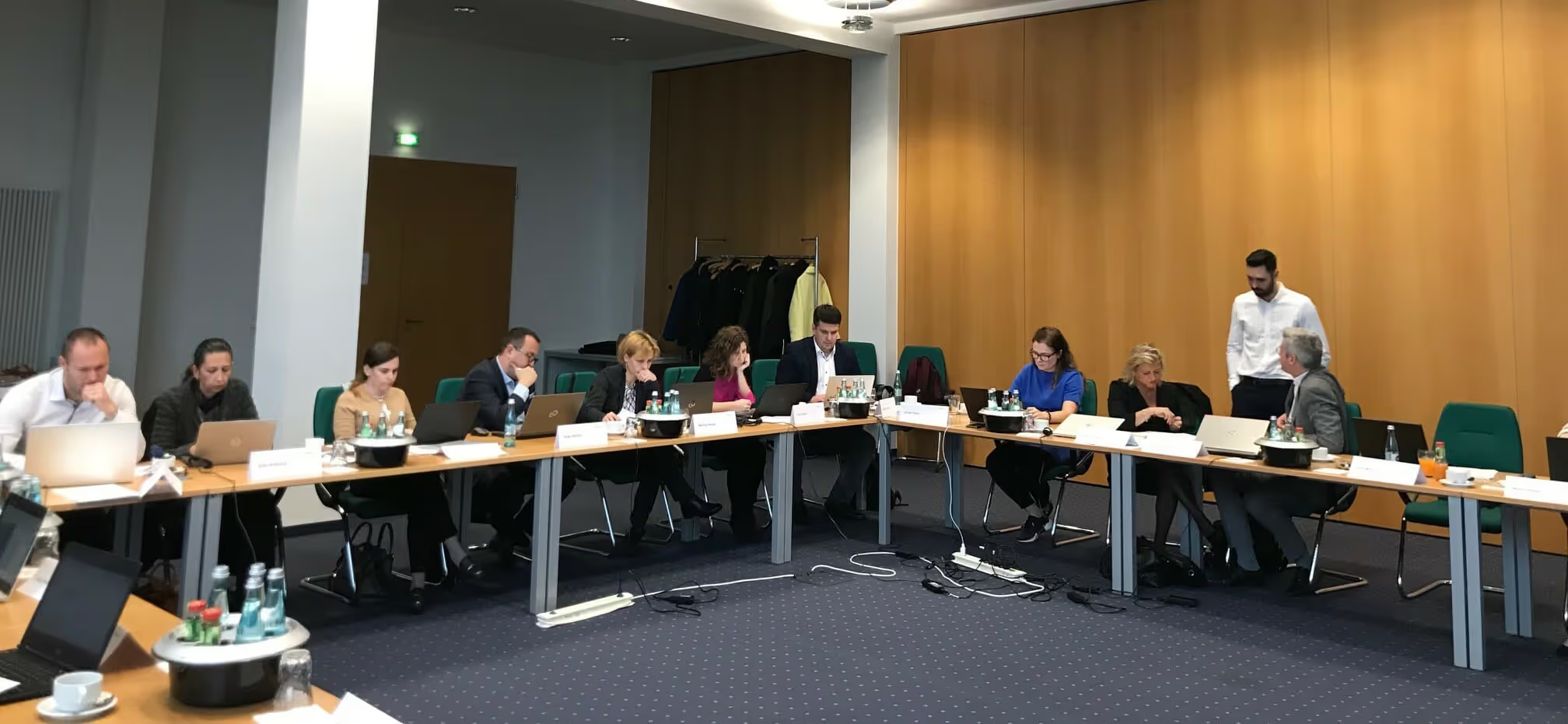
Turquoise was asked by a leading pharmaceutical trader, Phoenix Group to provide segmentation training and expertise to representatives from 27 European markets at…

Having worked alongside the National Trust on a number of projects over the years, Turquoise is proud to announce it has been added to the organisation’s national…

Turquoise is delighted to announce that it has entered into an eight-year Partnership Agreement with EDF Energy to manage its ongoing employee engagement programme.

Market research is available as a service to help any company, service provider, individual or organisation make better, more informed decisions.
From January 2026, charity reporting has to show the difference made, not just the activity delivered.
The cost-of-living crisis hinders UK households' ability to afford essentials, donations.
Charities face ongoing struggles post-2020, unlike other sectors recovering from disruptions.
The size and shape of the UK mental health workforce has long been difficult to define.
With much celebration we announce the promotion of two of our colleagues, Laura Scott, and Frank Paxton to the role of Associate Director.
The University of East London brought home the Silver Award for The Best Use of Data, Insight or Marketing Research at the 2024 HEIST Awards using data and insights…
Turquoise won the Landscape Institute award for climate change research with National Trust.
The Death Literacy Index (DLI) is used to determine levels of death literacy at a community or national level, and to evaluate the outcome of public health interventions.
Turquoise was asked by a leading pharmaceutical trader, Phoenix Group to provide segmentation training and expertise to representatives from 27 European markets at…
Having worked alongside the National Trust on a number of projects over the years, Turquoise is proud to announce it has been added to the organisation’s national…
Turquoise is delighted to announce that it has entered into an eight-year Partnership Agreement with EDF Energy to manage its ongoing employee engagement programme.
What NSS 2026 showed, and how research helps universities act on it and test campaigns before launch.
The higher education sector has faced rapid changes, including hybrid learning and global competition.
2020-2021 disrupted education, with 2022 bringing new but equally daunting challenges.
Higher education is evolving, with increasing global enrolment in various learning formats.
What AI does well in research, what it cannot do, and what to ask an agency that uses it.
Market research doesn’t stand still, and neither do the people taking part in it.
We all know the story when February rolls around, everywhere you look there are love heart garlands, stuffed animals, chocolates lining the aisles, and cards designed…
Born mid-1990s to early 2010s, Gen Z is reshaping consumer trends and workforces.
Product success depends on thorough market research, especially in international markets.
Colour is crucial in branding design, requiring alignment with business strategy.
We make thousands of daily decisions, ranging from trivial choices to life-changing ones.
Ongoing market research is crucial for achieving business growth, new markets, and success.
Entrepreneurship is booming, but poor planning causes one-third of businesses to fail.
Market research is available as a service to help any company, service provider, individual or organisation make better, more informed decisions.
Satisfaction fell again under Ofwat’s new method. What decides a score, and what to do with yours.
Market research shows UK utilities have record-low customer satisfaction and rank least friendly.
Changes in the way we generate energy have recently come into sharp focus.
The UK's 2050 net-zero pledge requires major policy changes and lifestyle shifts.
The UK water industry faces ongoing challenges with scarcity, demand, and aging infrastructure.
The oil and gas sector faces major transformation, with geopolitical events driving price hikes.
At Turquoise, our team of expert market research analysts are on-hand to conduct the fieldwork, interpret raw data, gain meaningful insights and provide actionable guidance to help your business thrive. Get in touch today and let's talk.