
Company news
13th February 2026
We all know the story when February rolls around, everywhere you look there are love heart garlands, stuffed animals, chocolates lining the aisles, and cards designed especially for spouses, boyfriends, girlfriends, parents, neighbours, and the dog you saw walk past your front-room window one time three years ago. Cupid is out in full force, shooting his arrows and making dreams come true, but when was the last time you got something you actually wanted for Valentines Day? Better yet, when was the last time you asked?

It’s all ‘I just want something thoughtful, I don’t care about expensive things’ until you get a macaroni picture frame and your bff gets a diamond ring, right? Valentines day exposes us as unreliable narrators of our own preferences, and it makes us painfully aware that people don’t mean what they say. Consumer data shows the spikes in purchases for flowers, jewellery and dining-out during the ‘Month of Love’, but why? Do our significant others know we’re lying when we say ‘I don’t need anything, I already have you’? Of course they do. They know it, we know it, and businesses know it too. So why do we keep on insisting that we don’t want anything?
Well, that’s where we come in. Understanding human behaviour is a lot deeper than asking a question and hearing an answer, it’s about discovery, uncovering the true motivations behind peoples’ actions, and how those actions differ from their words. When asked in advance, people answer in ways that align with how they’d like to be perceived, by others, and by themselves. Social desirability bias does a lot of heavy lifting here, smoothing out the messy realities of emotional decision-making.
Valentine’s purchases aren’t just transactions either; they’re signals. They carry emotional risk. ‘Will this feel thoughtful enough?’, ‘Will it send the right message?’ ‘Will this disappoint them?’. Under those conditions, people behave differently, they default to trusted options, and they spend more to make sure they’re not letting anyone down.
"
If insight teams could bottle Valentine’s Day behaviour, we’d never need another reminder that people are unreliable narrators.
This is where traditional self-reporting starts to crack. Ask someone why they chose something, and you’ll often get a tidy explanation that bears only a passing resemblance to what actually drove the decision. Or, to put it more bluntly: If insight teams could bottle Valentine’s Day behaviour, we’d never need another reminder that people are unreliable narrators.
Valentine’s Day is a strong argument for going beyond what people tell us. Survey data captures intention, attitude and aspiration, all valuable in their own right, but without behavioural, transactional or passive data alongside it, the picture is incomplete. These signals reveal how decisions are really made, not just how people wish they were made. Blending these data sources doesn’t just validate findings, it explains them.
Valentine’s Day works as a case study because it strips away the illusion of purely rational choice. It reminds us that context, emotion and social expectation heavily shape behaviour; and that people aren’t lying when they tell us what they want, they’re just answering in a different moment, under different conditions.
For insight professionals, the lesson is simple but important: good research doesn’t choose between what people say and what they do, it connects the two.
And if that connection happens to be wrapped in red ribbon once a year, all the better.
Market research journal

Satisfaction fell again under Ofwat’s new method. What decides a score, and what to do with yours.

What AI does well in research, what it cannot do, and what to ask an agency that uses it.

What NSS 2026 showed, and how research helps universities act on it and test campaigns before launch.

From January 2026, charity reporting has to show the difference made, not just the activity delivered.

Market research doesn’t stand still, and neither do the people taking part in it.
We all know the story when February rolls around, everywhere you look there are love heart garlands, stuffed animals, chocolates lining the aisles, and cards designed…

The size and shape of the UK mental health workforce has long been difficult to define.
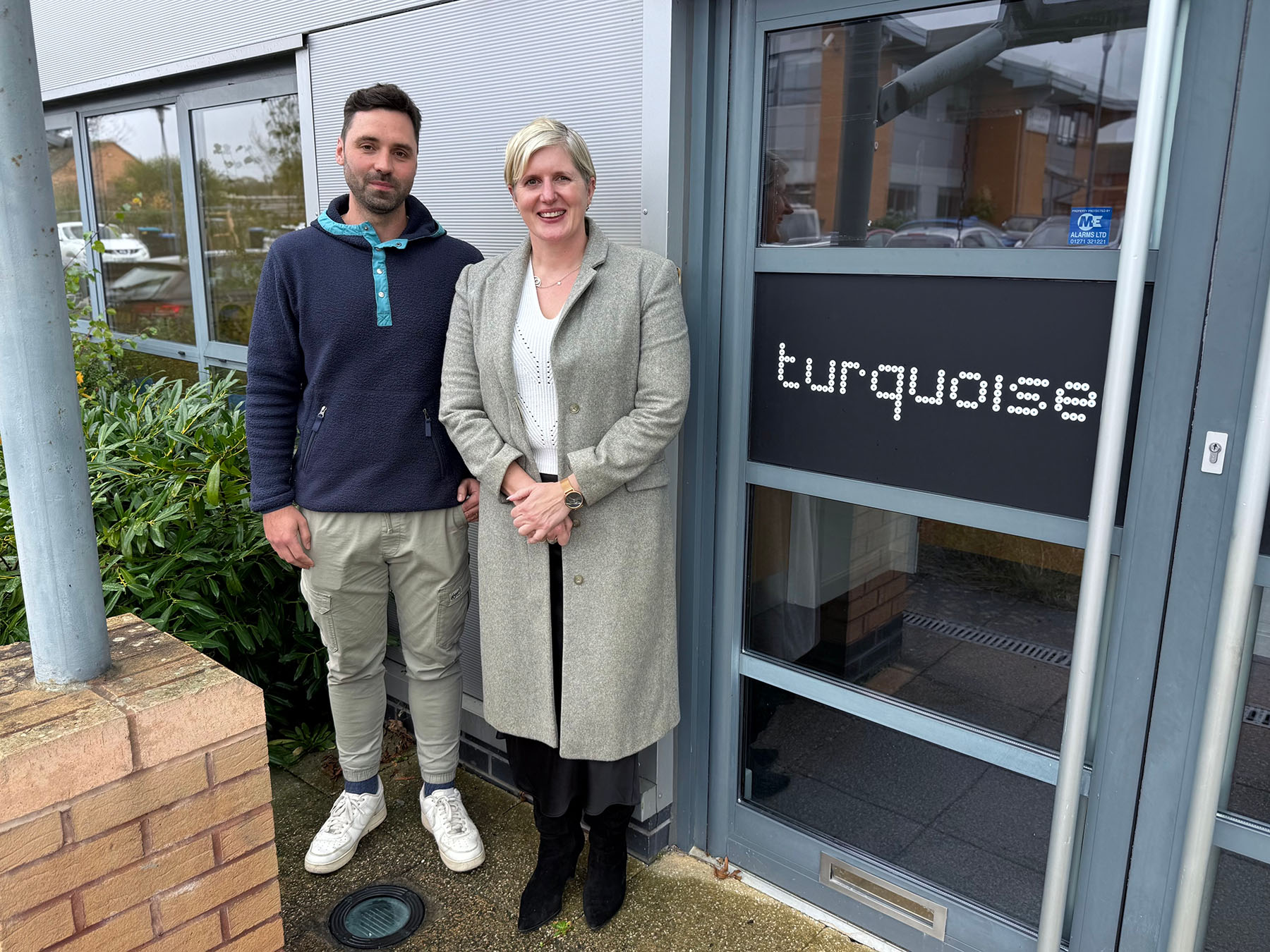
With much celebration we announce the promotion of two of our colleagues, Laura Scott, and Frank Paxton to the role of Associate Director.

The University of East London brought home the Silver Award for The Best Use of Data, Insight or Marketing Research at the 2024 HEIST Awards using data and insights…

The new normal highlights increasing inequality, with more opting for private healthcare.

Market research shows UK utilities have record-low customer satisfaction and rank least friendly.

The higher education sector has faced rapid changes, including hybrid learning and global competition.

Born mid-1990s to early 2010s, Gen Z is reshaping consumer trends and workforces.

Changes in the way we generate energy have recently come into sharp focus.

The cost-of-living crisis hinders UK households' ability to afford essentials, donations.

Turquoise won the Landscape Institute award for climate change research with National Trust.

The Death Literacy Index (DLI) is used to determine levels of death literacy at a community or national level, and to evaluate the outcome of public health interventions.

Product success depends on thorough market research, especially in international markets.

Colour is crucial in branding design, requiring alignment with business strategy.

2020-2021 disrupted education, with 2022 bringing new but equally daunting challenges.

Charities face ongoing struggles post-2020, unlike other sectors recovering from disruptions.

The UK's 2050 net-zero pledge requires major policy changes and lifestyle shifts.

The UK water industry faces ongoing challenges with scarcity, demand, and aging infrastructure.

We make thousands of daily decisions, ranging from trivial choices to life-changing ones.

The oil and gas sector faces major transformation, with geopolitical events driving price hikes.

A holistic sustainability approach outperforms piecemeal efforts, despite conflicting priorities.

Higher education is evolving, with increasing global enrolment in various learning formats.

Ongoing market research is crucial for achieving business growth, new markets, and success.

Entrepreneurship is booming, but poor planning causes one-third of businesses to fail.
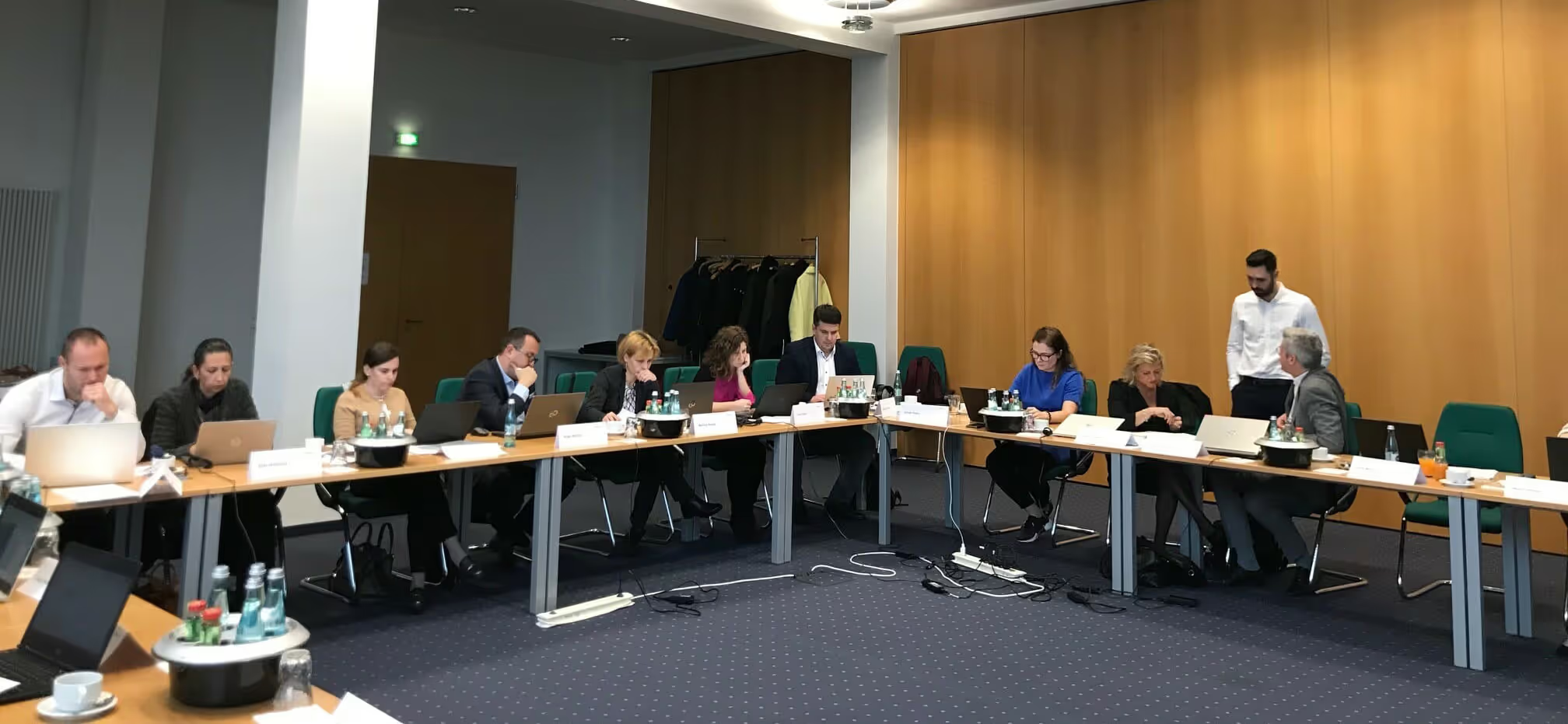
Turquoise was asked by a leading pharmaceutical trader, Phoenix Group to provide segmentation training and expertise to representatives from 27 European markets at…

Having worked alongside the National Trust on a number of projects over the years, Turquoise is proud to announce it has been added to the organisation’s national…

Turquoise is delighted to announce that it has entered into an eight-year Partnership Agreement with EDF Energy to manage its ongoing employee engagement programme.

Market research is available as a service to help any company, service provider, individual or organisation make better, more informed decisions.
From January 2026, charity reporting has to show the difference made, not just the activity delivered.
The cost-of-living crisis hinders UK households' ability to afford essentials, donations.
Charities face ongoing struggles post-2020, unlike other sectors recovering from disruptions.
The size and shape of the UK mental health workforce has long been difficult to define.
With much celebration we announce the promotion of two of our colleagues, Laura Scott, and Frank Paxton to the role of Associate Director.
The University of East London brought home the Silver Award for The Best Use of Data, Insight or Marketing Research at the 2024 HEIST Awards using data and insights…
Turquoise won the Landscape Institute award for climate change research with National Trust.
The Death Literacy Index (DLI) is used to determine levels of death literacy at a community or national level, and to evaluate the outcome of public health interventions.
Turquoise was asked by a leading pharmaceutical trader, Phoenix Group to provide segmentation training and expertise to representatives from 27 European markets at…
Having worked alongside the National Trust on a number of projects over the years, Turquoise is proud to announce it has been added to the organisation’s national…
Turquoise is delighted to announce that it has entered into an eight-year Partnership Agreement with EDF Energy to manage its ongoing employee engagement programme.
What NSS 2026 showed, and how research helps universities act on it and test campaigns before launch.
The higher education sector has faced rapid changes, including hybrid learning and global competition.
2020-2021 disrupted education, with 2022 bringing new but equally daunting challenges.
Higher education is evolving, with increasing global enrolment in various learning formats.
What AI does well in research, what it cannot do, and what to ask an agency that uses it.
Market research doesn’t stand still, and neither do the people taking part in it.
We all know the story when February rolls around, everywhere you look there are love heart garlands, stuffed animals, chocolates lining the aisles, and cards designed…
Born mid-1990s to early 2010s, Gen Z is reshaping consumer trends and workforces.
Product success depends on thorough market research, especially in international markets.
Colour is crucial in branding design, requiring alignment with business strategy.
We make thousands of daily decisions, ranging from trivial choices to life-changing ones.
Ongoing market research is crucial for achieving business growth, new markets, and success.
Entrepreneurship is booming, but poor planning causes one-third of businesses to fail.
Market research is available as a service to help any company, service provider, individual or organisation make better, more informed decisions.
Satisfaction fell again under Ofwat’s new method. What decides a score, and what to do with yours.
Market research shows UK utilities have record-low customer satisfaction and rank least friendly.
Changes in the way we generate energy have recently come into sharp focus.
The UK's 2050 net-zero pledge requires major policy changes and lifestyle shifts.
The UK water industry faces ongoing challenges with scarcity, demand, and aging infrastructure.
The oil and gas sector faces major transformation, with geopolitical events driving price hikes.
At Turquoise, our team of expert market research analysts are on-hand to conduct the fieldwork, interpret raw data, gain meaningful insights and provide actionable guidance to help your business thrive. Get in touch today and let's talk.