
Insight
3rd April 2024
Over the past three years, the phrase “new normal” has entered the common vocabulary. Increasing concerns that the new normal means a greater divide between the haves and have-nots have been exacerbated by a surge in the number of people opting to pay for private healthcare amid growing frustration at NHS waiting lists.

In 2022, private hospitals treated a record 820,000 inpatients and day cases. Of these, 272,000 funded the treatments or procedures themselves, while the remainder was covered through private medical insurance. It is this former figure that is causing the most consternation. Will the shift towards private healthcare become the latest example of the new normal?
"
18-24 year olds are more likely to use private healthcare than any other age group. Four in ten from this age group have done so, mostly for GP appointments and scans.
Perhaps the most surprising aspect of the research findings is that the age group making the greatest use of private healthcare is not affluent baby boomers.
Almost three quarters of under-35s said they “would consider” using private healthcare. While this might seem surprising at first glance, it supports the contention that Millennials and Gen-Z are more focused on experiences than possessions. They prioritise quality of life over acquiring wealth and tangible assets.
Ian Gargan is Chief Executive of the Private Healthcare Information Network (PHIN). He told The Guardian that quality of healthcare is not a major driver, but getting treated quickly is. He said “long NHS waiting lists and uncertainty around how long you’ll be waiting” were the driving factors.
He went on to explain that for some patients, paying for treatment immediately was more cost-effective than spending weeks or months unable to work while waiting for a knee or hip replacement on the NHS.
The ability to circumvent NHS waiting lists is fine for those who have private medical cover. Also, as already mentioned, growing numbers are paying for private treatment out of their own pockets. More than 80 percent of those who have done so feel it was money well spent, but that presupposes that they have either the private cover or the available funds.
Affordability is the biggest barrier, followed by ethical objections. However, as far as the former is concerned, research shows there is a lack of clear information about the cost of private healthcare. There are opportunities here for providers to empower patients by giving them better information regarding costs.
The second barrier is more complex. Dr John Puntis, Co-chair of Keep Our NHS Public said it was “absolutely shameful” that waiting lists mean the NHS “can’t diagnose and treat life-threatening illnesses such as cancer in a timely fashion.”
However, in the short to medium term, there seems little prospect of NHS waiting lists easing. In the meantime, people will continue to do whatever it takes to receive the treatment they need.
Market research journal

Satisfaction fell again under Ofwat’s new method. What decides a score, and what to do with yours.

What AI does well in research, what it cannot do, and what to ask an agency that uses it.

What NSS 2026 showed, and how research helps universities act on it and test campaigns before launch.

From January 2026, charity reporting has to show the difference made, not just the activity delivered.

Market research doesn’t stand still, and neither do the people taking part in it.

We all know the story when February rolls around, everywhere you look there are love heart garlands, stuffed animals, chocolates lining the aisles, and cards designed…

The size and shape of the UK mental health workforce has long been difficult to define.
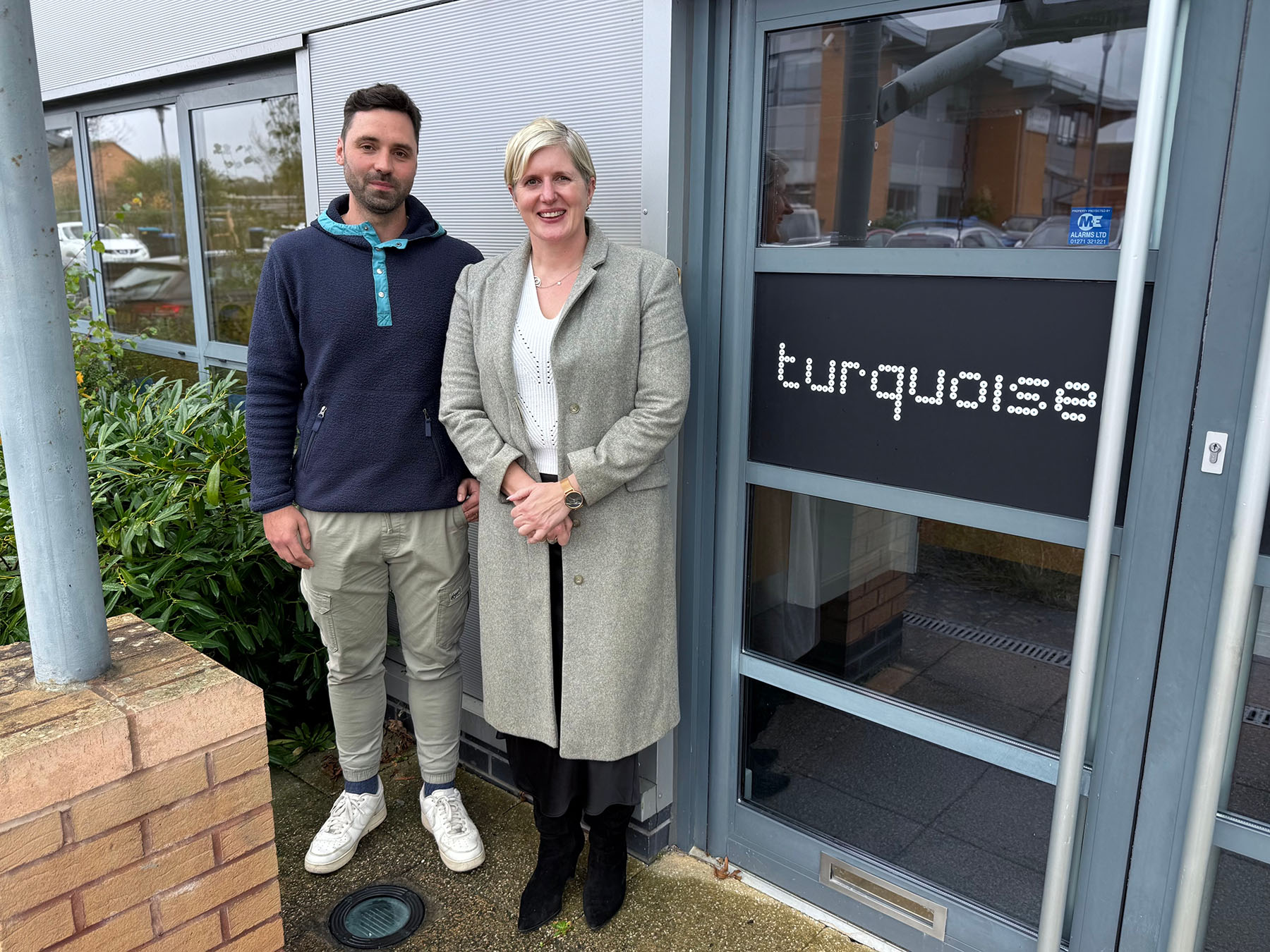
With much celebration we announce the promotion of two of our colleagues, Laura Scott, and Frank Paxton to the role of Associate Director.

The University of East London brought home the Silver Award for The Best Use of Data, Insight or Marketing Research at the 2024 HEIST Awards using data and insights…
The new normal highlights increasing inequality, with more opting for private healthcare.

Market research shows UK utilities have record-low customer satisfaction and rank least friendly.

The higher education sector has faced rapid changes, including hybrid learning and global competition.

Born mid-1990s to early 2010s, Gen Z is reshaping consumer trends and workforces.

Changes in the way we generate energy have recently come into sharp focus.

The cost-of-living crisis hinders UK households' ability to afford essentials, donations.

Turquoise won the Landscape Institute award for climate change research with National Trust.

The Death Literacy Index (DLI) is used to determine levels of death literacy at a community or national level, and to evaluate the outcome of public health interventions.

Product success depends on thorough market research, especially in international markets.

Colour is crucial in branding design, requiring alignment with business strategy.

2020-2021 disrupted education, with 2022 bringing new but equally daunting challenges.

Charities face ongoing struggles post-2020, unlike other sectors recovering from disruptions.

The UK's 2050 net-zero pledge requires major policy changes and lifestyle shifts.

The UK water industry faces ongoing challenges with scarcity, demand, and aging infrastructure.

We make thousands of daily decisions, ranging from trivial choices to life-changing ones.

The oil and gas sector faces major transformation, with geopolitical events driving price hikes.

A holistic sustainability approach outperforms piecemeal efforts, despite conflicting priorities.

Higher education is evolving, with increasing global enrolment in various learning formats.

Ongoing market research is crucial for achieving business growth, new markets, and success.

Entrepreneurship is booming, but poor planning causes one-third of businesses to fail.
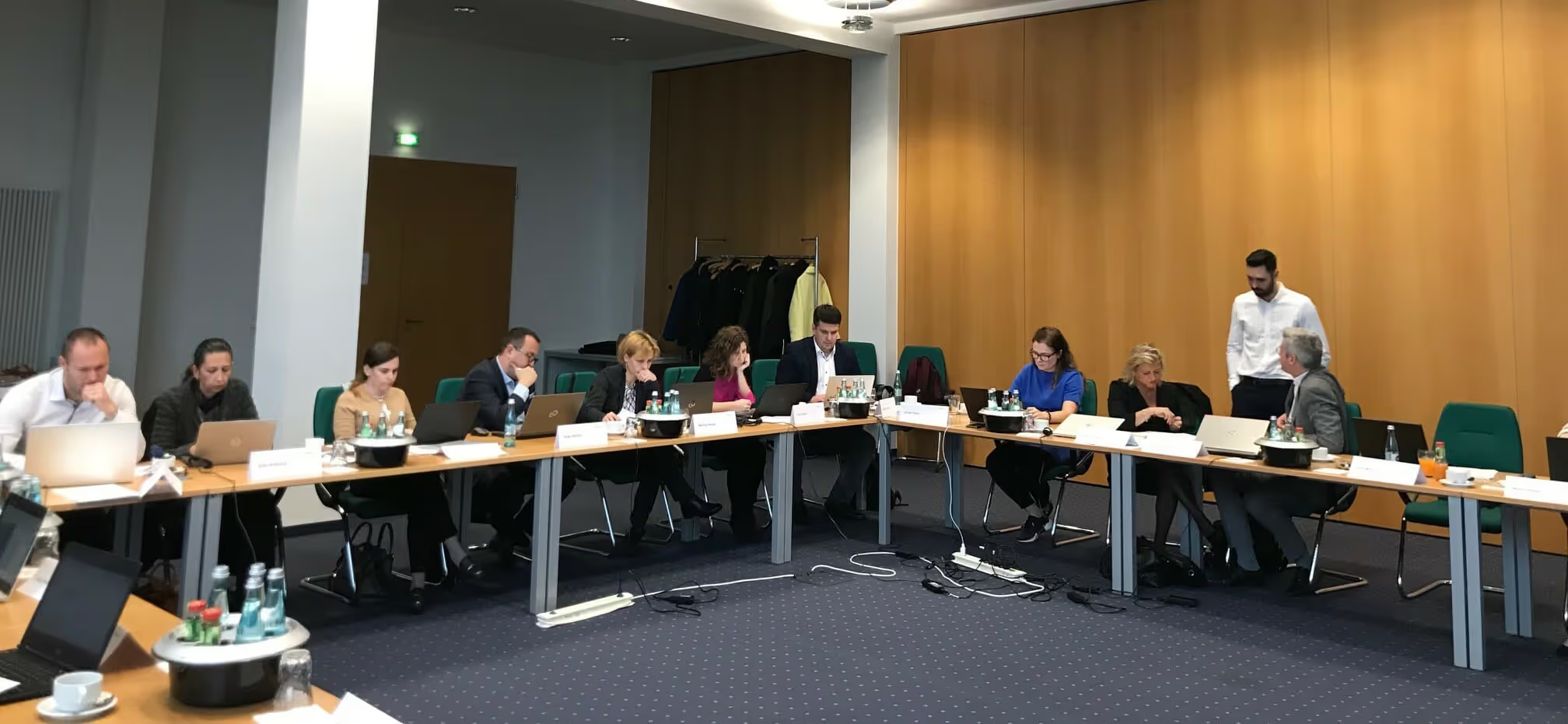
Turquoise was asked by a leading pharmaceutical trader, Phoenix Group to provide segmentation training and expertise to representatives from 27 European markets at…

Having worked alongside the National Trust on a number of projects over the years, Turquoise is proud to announce it has been added to the organisation’s national…

Turquoise is delighted to announce that it has entered into an eight-year Partnership Agreement with EDF Energy to manage its ongoing employee engagement programme.

Market research is available as a service to help any company, service provider, individual or organisation make better, more informed decisions.
From January 2026, charity reporting has to show the difference made, not just the activity delivered.
The cost-of-living crisis hinders UK households' ability to afford essentials, donations.
Charities face ongoing struggles post-2020, unlike other sectors recovering from disruptions.
The size and shape of the UK mental health workforce has long been difficult to define.
With much celebration we announce the promotion of two of our colleagues, Laura Scott, and Frank Paxton to the role of Associate Director.
The University of East London brought home the Silver Award for The Best Use of Data, Insight or Marketing Research at the 2024 HEIST Awards using data and insights…
Turquoise won the Landscape Institute award for climate change research with National Trust.
The Death Literacy Index (DLI) is used to determine levels of death literacy at a community or national level, and to evaluate the outcome of public health interventions.
Turquoise was asked by a leading pharmaceutical trader, Phoenix Group to provide segmentation training and expertise to representatives from 27 European markets at…
Having worked alongside the National Trust on a number of projects over the years, Turquoise is proud to announce it has been added to the organisation’s national…
Turquoise is delighted to announce that it has entered into an eight-year Partnership Agreement with EDF Energy to manage its ongoing employee engagement programme.
What NSS 2026 showed, and how research helps universities act on it and test campaigns before launch.
The higher education sector has faced rapid changes, including hybrid learning and global competition.
2020-2021 disrupted education, with 2022 bringing new but equally daunting challenges.
Higher education is evolving, with increasing global enrolment in various learning formats.
What AI does well in research, what it cannot do, and what to ask an agency that uses it.
Market research doesn’t stand still, and neither do the people taking part in it.
We all know the story when February rolls around, everywhere you look there are love heart garlands, stuffed animals, chocolates lining the aisles, and cards designed…
Born mid-1990s to early 2010s, Gen Z is reshaping consumer trends and workforces.
Product success depends on thorough market research, especially in international markets.
Colour is crucial in branding design, requiring alignment with business strategy.
We make thousands of daily decisions, ranging from trivial choices to life-changing ones.
Ongoing market research is crucial for achieving business growth, new markets, and success.
Entrepreneurship is booming, but poor planning causes one-third of businesses to fail.
Market research is available as a service to help any company, service provider, individual or organisation make better, more informed decisions.
Satisfaction fell again under Ofwat’s new method. What decides a score, and what to do with yours.
Market research shows UK utilities have record-low customer satisfaction and rank least friendly.
Changes in the way we generate energy have recently come into sharp focus.
The UK's 2050 net-zero pledge requires major policy changes and lifestyle shifts.
The UK water industry faces ongoing challenges with scarcity, demand, and aging infrastructure.
The oil and gas sector faces major transformation, with geopolitical events driving price hikes.
At Turquoise, our team of expert market research analysts are on-hand to conduct the fieldwork, interpret raw data, gain meaningful insights and provide actionable guidance to help your business thrive. Get in touch today and let's talk.